
Robert Strand on Cinema, PFAS, and Water Policy
Robert Strand explains how the World Water Film Festival uses cinema to drive water policy, fight PFAS contamination, and pursue UN Water partnership status.
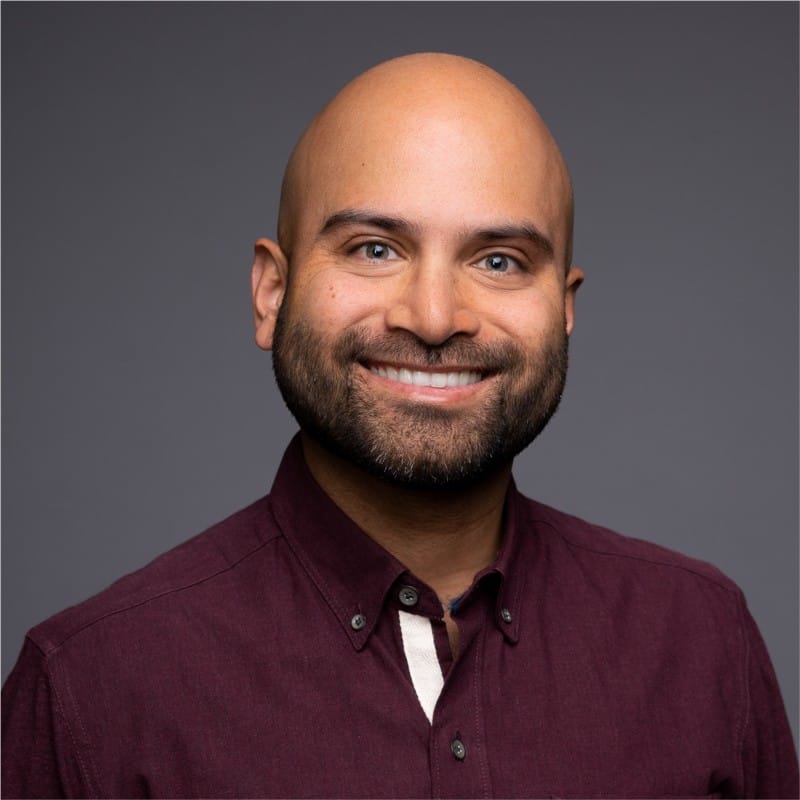

A film festival launched because one filmmaker couldn't find a place to submit his short about pharmaceutical pollution in New York City's water supply is now pursuing official UN Water partner status, operating across four continents, and screening PFAS films to law students in Tanzania before they even know they have a PFAS problem.
Robert Strand built the World Water Film Festival from a cold email to a UN groundwater research center in Delft into an organization with over 400 film submissions, events in Wellington, Guangzhou, Rotterdam, London, and Buenos Aires, and a growing coalition of governments, universities, and water professionals who believe that reaching people's hearts through cinema is the fastest path to policy change.
Visit World Water Film Festival
The bet is simple: data and white papers stay in people's heads. Film brings water crises into the body. And once it's personal, people move.
Key Takeaways
- Email the Gatekeeper Anyway. Robert cold-emailed IGRAC, the UN Water groundwater center based in Delft, Netherlands, to pitch a film festival he hadn't yet built. They replied the next day. That single exchange seeded partnerships that eventually brought Henk Ovink, the lead architect of the 2023 UN Water Conference, to deliver opening remarks at the World Water Film Festival's launch event in New York.
- Film Does What White Papers Cannot. Ovink's framing became the festival's informal mission statement: film takes data out of the head and brings it to the heart, and if you reach the heart, you reach the hands and feet into action. The 2023 launch event curated 90 films across five themed screening spaces at Columbia University's climate school. The Columbia Climate School has remained a partner ever since.
- Build the Map by Walking It. The festival's global footprint grew almost entirely through relationship chains, not formal outreach. A water journalist connected through IGRAC in Tanzania opened East Africa. Water New Zealand reached out through mutual contacts and hosted an event in Wellington. The Consulate General of the Netherlands in Guangzhou requested an event in China, and a second followed. The Argentine Chamber of Water and Buenos Aires city government came together for a World Toilet Day screening at Museo Moderno in November.
- PFAS Travels Faster Than Litigation. Robert's team is now working with the Law Society of Tanzania to bring environmental law firms and law students together for a PFAS film screening, because contamination has already been confirmed in Kenya, Uganda, and Tanzania while legal frameworks to fund remediation barely exist. The film screened is the same one shown at New York Climate Week, which profiles Amara Strande, a Minnesota woman who lobbied the state to ban non-essential PFAS before dying of cancer. Minnesota passed the law three to five weeks after her death.
- PFAS Is Not Just in the Water. Robert had his own blood tested at Quest Diagnostics, no referral required, and found himself in the low-to-intermediate exposure range despite never living near a Superfund site. PFAS enters the body through drinking water, inhalation, and transdermally through PFAS-treated athletic wear. Bioaccumulation is the core danger: the human body has almost no mechanism to discharge it, and high blood levels have been linked to cardiovascular disease in communities near heavy PFAS use in Italy.
- The Gaps in the Archive Are a Roadmap. Of the 400-plus submissions to the festival, water footprints and the PFAS content of women's personal care and cosmetic products are almost entirely unrepresented on film. Robert notes that one pair of jeans requires roughly 2,800 gallons of water to produce and one steak requires around 1,100 gallons, yet stories connecting consumer choices to water depletion remain rare. Next year's World Water Day theme is gender and water, which he sees as an opening to fill both gaps.
- Don't Get Angry, Get Organized. One of the festival's most affecting films, Green Warriors, follows activists who pooled funds to buy enough stock in a polluting company to earn a seat at the shareholders meeting. When the company announced record profits, the activists stood up and demanded cleanup funding on the spot. That shareholder pressure contributed to France banning PFAS. Robert calls this the organizing principle he hopes every screening plants in an audience.
Where to listen
- Spotify: https://open.spotify.com/episode/2S5FDwHI28QG3eQKlxni0L
- Apple Podcasts: https://podcasts.apple.com/us/podcast/id1692644096?i=1000769482782
- YouTube: https://youtu.be/KoZzrI4gTBg

Meet Robert Strand

Robert Strand is the Founder and Executive Director of the World Water Film Festival, a nonprofit that curates and presents films from around the world exploring humanity's personal, communal, societal, and environmental relationship with water. He launched the festival in 2023 with a founding belief that film and storytelling can build the political will necessary to drive lasting water policy change.
Before water, Robert spent years at the NBA overseeing 108 fan licensees and serving on a business review committee that vetted every partner activation, commercial sweepstakes, and promotion the league ran globally. He was part of the team that grew the NBA's consumer products business past Michael Jordan-era revenue numbers in under five years. He later joined a sporting goods and technical apparel company as VP of Licensing after being recruited by a minority owner of the Phoenix Suns. He is also a working actor in New York, trained in the Meisner technique, with film and television credits alongside his ongoing theater work.
Connect with Robert on LinkedIn
The Book, Movie, or Show
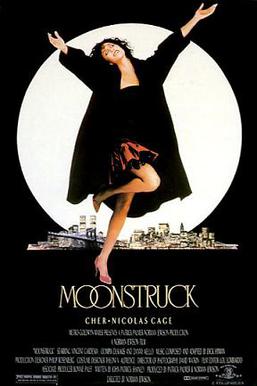
Asked which film has profoundly impacted his worldview, Robert routes first through Erin Brockovich and Dark Waters, the PFAS-themed examples that hit close to his work. Then he lands on the actual answer: Moonstruck.
His reasoning: at the root of every family is a measure of love, and the stories that stay with him are the ones about people protecting that love or finding their way back to it. The Italian-American romantic chaos of Moonstruck, and how love eventually pulls everyone together at the end, is the kind of profound he keeps coming back to.
Transcript
[Ravi Kurani] This episode of Liquid Assets is sponsored by HASA. The leader in water treatment solutions. HASA delivers eco friendly, reliable and cost effective water care and has been keeping communities safe one drop at a time. They've been at it for more than 60 years. And you can learn more about HASA by visiting hasa.com that's hasahassa.com I'm Robert
[Robert Strand] Strand, founder and executive director of the World Water Film Festival. We are a nonprofit film festival that curtain curates and brings films from around the world to audiences around the world that explore our personal, communal, societal and environmental relationship with water. And we believe that by using film and storytelling to educate and inspire that we can create a community and the political will necessary to create lasting policy change for water. So I think I was talking about building positive relationships. You know, that's one of the things you, you learn that I, that I really, that's a skill I really honed when working at the NBA because there's so many things that can go wrong, right? And you need to have a keen sense as to how to intervent, have an intervention sense, like what can prevent that from going wrong? You know, how do you know who to call? One of the things that's sort of very timely for us right now, we've been encouraged to apply at the World Water Film Festival to become a UN Water partner organization. And so integrating into a large matrix such as the United nations comes with certain hurdles which are rightfully there. But in order for us to kind of take that on and figure that out, it's because of the relationships we've been building since 2022, 2023 that we're able to figure out how to navigate, who do we need to get to. Because people we thought we needed to connect with were not the right people we need to connect with. But those people helped us figure out who we do need to connect with, rooted in this, this commitment to using film and creating film festival events, screening events, Film events has platforms to amplify social good for water. People have responded well to that and are being very kindly supportive of us and want to see us succeed so that we can be a vehicle or a tool or resource, if you will, for other kind of communication campaigns. Because the United nations, especially with UN Water, there's different kind of marquee platforms every single year. There's World Water Day every March, there's a World Toilet Day every November, and now there's like a World Lake Day, I think there's a World River Day. There's World Indigenous Peoples Day. So where there are these really important and wonderful celebrations of these different dynamics of water and the people whose lives are impacted by water. Now that we have 400 films so far that have been submitted to our festival, over time, we're able to curate around those scenes and bring to life those events. And we've got some pretty exciting things happening literally around the world right now. Where in some instances, in some regions, we're leaning a little bit more into hoarding kind of the water industry in building awareness and to rally support for the work that they do in a region, in some areas, we're trying to influence policy. For example, Ravi, we met at a PFAS film screening. And PFAS contamination is a problem all over the world. And yet there are certain regions of the world that have not yet seen the power of litigation that can raise necessary funds to do remediation work. We have a partner in East Africa, in Tanzania, who has been helping us execute events in that part of East Africa. And we're now aware that PFAS is a contamination issue in Kenya, Uganda and Tanzania. So we're trying to work with the law society in Tanzania now to get environmental law firms and law students together for a screening of the same film you came to our Climate Week event for. To see it would be devastating. If there's a region of the world. Forget Africa for a moment. But imagine some rural community that's been desperate to get their own well. They finally get a well. If they only first found out it was a PFAS toxic dump site over where they built their well, that'd be so profoundly tragic. That would. I mean, I can't even imagine that as a scenario.
[Ravi Kurani] So I, I want to kind of unbutton a few of the. Few of the things you mentioned there and kind of, kind of rewind back actually to the, to your, to your beginnings at the, at the mba. You had mentioned that you got kind of got familiar, you got used to where you learned how to navigate such a large matrix organization. And with the kind of parallel of what's happening at the World Water Film Festival with you kind of mentioned the UN Water partner organization, let's just take a quick focus on the NBA. Like what, what. What were you doing there? And, and what did that look like? And then I kind of want to draw parallels as to what you're doing today. So if you can, if you can kind of keep that in mind.
[Robert Strand] There are parallels, let me tell you, but one main glaring one is that I was the outsider coming in as a Child, I was not blessed with eye hand coordination skills. I was not a gifted basketball player. I have deep emotional scars from my friends ripping on me for my horrible court skills. And so I had been working in the toy industry. I had been working in retail at the time. It was Michael Jordan's first retirement. There was a huge lockout at the end of the 90s work stoppage. There was a period of time when no one wanted to work with the NBA. And so they were finally beginning to kind of re emerge from the Michael Jordan era. And they were strategically trying to recruit somebody that did not come from sports, but the new intellectual property, new retail, new consumer products and the like that could come in and look at their fan consumer products and really kind of relay the foundation for how they were going to grow post Jordan era. So when I was working with a recruiter to go back into the toy industry, my recruiter's business partner literally barged into an office. We were having a conversation one day. She's like, you're going to go work for the NBA? Kind of thing was like, who is this nut job? There's no way, no, not even a remote possibility. She was like, they're going to love you. You're going to love them. You're going to go over for the NBA, Trust me. I was like, fine, I'll go for the interview. So I went for this interview. You know, first I walked in, my heart kind of leapt in my throat like, what am I doing here? And sure enough, it's an incredible organization. I hit it off immediately with people, they hit it off with me. I was a perfect fit. Offered a job in less than a week, which is unheard of. And so I was in charge of 108 fan licensees. So the way the sporting goods world looks at their business, you have core to the sport, your basketball, your uniform, et cetera. And then fan everything else that fans use to express their fandom. And then I started to get involved in any marketing partner or sponsor around the world that would activate a partnership with pro product. I was involved in making sure that that went smoothly. And then I served on a business review committee which was one senior member of each department in a room with in house legal counsel three days a week, reviewing every single partner activation, commercial sweepstakes, promotion. I feel like I went to paralegal law school or something because it was just, you got such an amazing sense of like, what goes in, what are the, what are the issues in this region of the world? Is the IP cleared? Are they using the right marks do they have their rules? And you know, that gave me such an incredible foundation to know what you need to be mindful of in terms of activation. So if you and I was part of a team that built that that consumer products business to exceed Jordan era revenue numbers in under five years, it was a wonderful, wonderful experience. And then I was recruited by a minority owner of the Phoenix Suns to join a sporting goods and technical apparel company to be their VP of licensing. So I stayed within the NBA family. If you will pivot over to. By the way, one thing I have to say, one of the things that I loved so much, like you really had to know what you learned to know what you were doing and talking about at the NBA. You couldn't get into an elevator with David Stern without knowing like your stuff. Like so you're always kind of like, you know, my right for the day. The whole reason that the 1992, I think it was Dream Team USA basketball was created was not to just demonstrate the prowess of basketball, but it was David wanted people of the world to not be afraid of people with HIV because Magic Johnson had been diagnosed HIV positive. That's the whole reason they created a dream team for the Olympics. And you know, so that that kind of stewardship of be best at what you do, curate the best, if you will. All those lessons are very applicable to me. Circa 2021ish I was inspired to. I'm an actor in New York as a passion. I'm a part of a theater company background acting work in films and television outside of my day job which I continue to do in brand partnerships. And I was inspired to create work with a group of actors to create a series of content around one topic. And for some reason we all chose water as that topic. No one remembers why we chose water, but we chose water. I had researched what are the top three threats to New York City's public water system. And one of them, one of those issues is pharmaceutical water pollution. People are flushing meds down the toilet and you can't do that because water treatment, you're nodding in agreement. You get the all your. Your view, your listenership probably understands that, you know, water treatment was not created to filter that out. In doing my research, UN Water's Groundwater Organization out of Delft, Netherlands, they're called igrac, the International Groundwater Resource Assessment Center. They were responsible for that year's World Water Day theme. And I, I emailed them on a. I made my film and it dawned on me that there were a lot of People working in water, Ravi. That I didn't want to get lost in a. An environmental or climate film festival, which are very important. But it dawned on me that water really seemed to be important enough to deserve its own focus. I couldn't find a film festival that was only about water. So I emailed the people at igrac that year's World Water Day theme gatekeeper and said, hey, a group of us are thinking of starting a film festival because I made a film and I need a place to submit my film to. So I can't find one, let's start one. And they email me back the next day saying, we think this is a great idea. If you can pull it off, we would love to support you. And I wanted to make sure that the messaging that we were putting out there was on point and that if we could bridge the world of creative filmmakers, storytellers with the academics, policyholders, UN, NGOS, etc. Bring them together to amplify the work that everyone's doing, then there could be a there there. I don't know. As fate would have it, 2023 was the. The UN Water Conference. The second time that the UN ever met for water. First time in 50 years. There were 10,000 people that came to New York. Talk about building positive relationships. You know, I built a rapport with the IGRA people who then introduced me to the Dutch government co hosts that were creating New York Water Week and building that world. The water Conference. That got us to Henk Ovink, who was the lead behind the creation of the 2023 UN Water Conference. And he was able and willing to make opening remarks at our event. We ended up curating 90 films in five different kind of theaters, touching on different kind of curated topics, and a friendship was born because he came to, came to our film festival saying, you know, the film dynamic of it takes all of the data and all the white papers and all those discussions out of the head and it brings it to the heart. And if you can reach the heart of people, you will then reach their hands and feet into action. And that just really stuck with me as that's a great mission statement. I'm going to borrow that. It just, it was amazing how much sort of Snowballed from that 2023 worldwide film festival launch event. I had been to a film screening at Columbia University's the Forum at Columbia University. It was a screening of the Woman King with Viola Davis. The population that was at that screening event was mostly people of color and it was like going to church. It was Exciting the energy of seeing this film in this room. I just had this vision like I have to have our event here. It just started put that out to the universe. And lo and behold, we were able to contact the Columbia University Climate School who agreed to serve as our host. And because they were a tenant of the that building, we were able to get access to it to have them serve as our host. We've had a wonderful relationship with the Columbia Climate School since after that event. You know, we connected with Water New Zealand because of mutual contacts and they're like, we would love to host an event in Wellington. Can we work with you?
[Ravi Kurani] Sure.
[Robert Strand] And then the Dutch, the Consulate General of the Kingdom of the Netherlands in Guangzhou, China wanted to host an event and we've subsequently done a second event with them in, in China. We connected with a water journalist through IGRA in Tanzania, which started our whole East Africa work and efforts. Through that we connected to Milan Patel who is a, I call him just a. A water rock star. I don't know, can't even explain what he does, but he just like, he's just super cool and super smart. He's also a water sommelier, so he does water tastings at events and he's in tastings at our events. That got us to an event in London. We found ourselves partnering with Swimmable Cities, their inaugural event in Rotterdam as part of a UN decade of restoration. So we were able to co curate a wonderful theme screening event around source contamination of water and urban swimming and why it's important to have the right to swim in the community's rivers, which was a wonderful, wonderful event. And we're headed to Buenos Aires in a couple of weeks. So suddenly I found myself working with the Argentine Chamber of Water, the Buenos Aires city government, their Ministry of Education and then Danida, which is the Danish government's arm of Danish interests in Argentina. And we are November 18th at the Museo Moderno in Buenos Aires. We have a World Toilet Day event where we will be screening for students, I think, primary and secondary school. Three short films. One touches upon this year's World Water Day theme of preventing glaciers from melting. It's an Argentine film about a cold water swimmer who in her youth would walk across 20ft of snow to get to the water to swim. And now she's walking across like 4ft of snow. So she's seen the impact of climate change and that's part of what this film documents. The second film is a great short film since this after the 2010 Gulf oil spill, the US side of the Gulf of Mexico received like over 20 billion in settlement funds. And the Mexican side of the Gulf of Mexico has not yet had a day in court. And so this film beautifully profiles the communities along the Mexican coast, what that. What the impact of that still is on their lives today. And then the third film is a wonderful film from Water Aid, which is our wash or sanitation film short before the Dawn. I love this film so much. It's a story of a visually impaired man. I think in Nepal, he couldn't go to school because there was no toilet. And WaterAid was able to put in a toilet into this school. This young man then was able to get an education, which means he can now work and he can now have a family and provide for his family because of having a toilet. Well, then we're going to have an ethical debate on kind of what these students have seen in these three films as sort of a source of inspiration. And then a little bit later in the day, partnership with the Water Environment Federation's Argentina chapter, AEDIS and BlueTech Research's Our Blue World, which is the sequel to Brave Blue World. We'll be screening that with Spanish subtitles, I believe. It's the Latin American debut of the film in Buenos Aires at our event. It's just an example of just, you know, this is all, by the way. Our work has been mostly self funded, with the exception of having, like, event sponsors, which is when we're very grateful for. This has all been building positive relationships, volunteers, filmmakers from all over the world who. I had a hunch I wasn't the only one exploring film and water. It turns out I was right. There's so many beautiful films that need to be seen, that deserve to be seen.
[Ravi Kurani] So. So going back to 2021, when you first made that film and you kind of were looking at New York City's issues, you kind of came up with the three problems. And then you said, you know, pharmaceuticals being flushed down the toilet. The wastewater system obviously doesn't have the capacity to manage that. Did you. Did you end up kind of publishing that? Was that like the kick? Like, what, what was that like? Did you end up going to kind of Igraq and presenting that? Or what was like zooming in their part?
[Robert Strand] Yeah, yeah. So it's a great question. The script sort of fell out of my head. And so the, the impetus of that was, I'm a Meisner acting technique trained actor. A side note, my acting instructor and friend and mentor of 20 years had been diagnosed with terminal cancer at the beginning of 2021. We lost her in that July. And in her farewell message to her students was, I've done everything in my life I've wanted to do. Don't leave this earth not doing what you want to do, and put your acting skills to good use. So I heeded her call, which inspired us to look at kind of maybe environmental issues. I did run the film by Igraph, just, you know, and I did a lot of research to understand, you know, that there are. I think there are. I forget how many communities. There's a number of communities up and down the Hudson river that still have combined storm and sewer drainage where others have modernized and have separated them. So the issue of when there is, you know, overflow and the fact that there are measurable levels of antibiotics and antidepressants in fish that people are catching and eating, that became a line in the film. We did extensive research on that. And I did consult somebody else besides Igraq. I can't remember who at this point. But we want to make sure that the information we were sharing in that film, the A story, was that the B story of my film and it's on our YouTube channel. So the B story was based on a true story. You think you're doing the right thing. People think they're doing the right thing. Like, oh, flush the meds. You know, like you think that's the right thing to do. But then when you learn, oh, that's not the right thing to do, it's okay to acknowledge that, oh, I was wrong, but then you can take the next right action. So that's the B story of my film as told through the story of. I would once, I just built a home up in Dutchess county and, you know, construction debris galore and I was going to be hosting a big event there for a milestone birthday for somebody handyman that I worked with in building the frames for the painting. Over my left shoulder here, this Peruvian craftsman. I just asked him, do you know anybody that cleans that can help me clean this house because I can't do it alone. And so he brought his sister in law and when he was. When she was introduced to me, I heard her name as Olympia. And so I was so grateful that Olympia came to help me clean the home. That throughout the day I was trying to say to Olympia, hey, if you'd like something in the fridge, help yourself. And you don't like the music we're playing, you know, I'm going to be outside doing some work, go change the music and knock yourself out and the following weekend, when Franco, the handyman, and by the way, Franco played Franco in my film, is the real Franco. And I said, thank you for bringing your sister in law. He said to me, well, Lydia doesn't want to come back and work for you again. I'm sorry, I'm like, lydia? Who's Lydia? My sister in law. And it turned out that a Olympia is the verb to clean.
[Ravi Kurani] Ah, sure.
[Robert Strand] So every time I was saying, help yourself, change the music, this poor woman heard, go clean this. Go clean this. And I was making her crazy, telling to clean everything. And I wouldn't leave her alone. I was just trying to be a nice guy. And so that became. We cast an amazing woman to play Lydia, Olympia, in my short film, I do have to say so, you know, did my film win any awards? No. But I'll tell you, it was such a valuable experience to learn what goes into creating a film and editing a film. Oh my gosh. Editing a film. I actually want to go back and re edit that film now that I've had a few years experience because I have a sense of what I could do to make it a better film, more engaging film. Yeah. So we screened it at our event. It got some laughs. But I have to admit, it's not the best film that we have in our collection.
[Ravi Kurani] That's awesome. That's. That's impressive. I want to take a pivot towards the World Water Film Festival. Now you've been talking a little bit about it, but I think for the, for the audience it'd be great to just kind of talk through what, what is the World Water Film Festival? I think we understand kind of your story from the NBA, all the work with Igra. You're kind of obviously screening films there, but maybe just kind of explicitly like, what is the World Water Film Festival? And then let's kind of jump a little bit into how many submissions are you getting. Like what is the type of content that you guys are showing? What does that look like?
[Robert Strand] Fantastic. The World Water Film Festival, where we are now as we've realized, we curate films and we welcome film submissions that explore any personal, communal, societal and environmental and, or environmental relationship with water. And it's not any one topic as long as water is the topic that qualifies you to submit to our film festival. Our hope is to set up thematic programming events and either festivals where it's a big multi day event. We bring together, you know, scientists, policymakers, community water wastewater treatment professionals, actors, people that are exploring to have a deeper understanding of why we need to protect water from pollution and overexploitation. The submissions come to us in multiple formats. So we have narrative storytelling, we get narrative dramas, we get narrative comedies. We have a lot of experimental films that come our way. So really beautiful poetic films. Documentary is obviously a very popular type of storytelling and sometimes we get films that are hybrid in multiple categories. On our website, worldwaterff.org now you can see we shared a link to a film called Take Care Tar Creek. It is a. It's a wonderful, wonderful short film. It's an experimental documentary. It's shot in Super 8 footage and it's told from the voice of the river. So the river is talking to us about how the river became contaminated and invites humans to kind of contemplate their role in this ecosystem. And I'm really, I love this film so much. And we were able to work with the filmmaker to. We actually connected them with the. The actor that played Lydia, Olympia in my movie, the filmmaker hired her to do the Spanish language voiceover to his Take Care of Tar Creek. And we're going to be taking that film with us to Argentina in November in Spanish, which is very exciting. So the interesting thing about when we look at the films, we have a number of films that come to us that there's sort of some themes, you know, WasTewater is, is one. PFAS is a dominant theme. A lot of them though, present solutions or showcase the human connection, which is really wonderful. The lives of the people who are impacted by these, these, these water issues and sorts and kind of crises and solutions. Community impact, community like what communities are doing, how communities rally for water in their communities. And then, you know, a lot of ethical questions are raised, which is ps to that. November 7th, the third year in a row, we bring a film to John Jay College and Hunter College, their Intro to Ethics classes to show a short film and have a debate on the ethical scenarios. One of the films that was one of our. We awarded best documentary last year showcases a number of things in particular, one community had a funeral for the river as a form of protest because the water was so dead nothing would live in it. And it's just so powerful to see this community as their former protest hold a funeral for the river. And it profiles that a lot of the tanneries in Italy, in Italy, in the river that leads into the Bay of Naples, the tanning of all a lot of these high end luxury goods that a lot of people enjoy using and wearing. Sadly, the tanneries, it's cheaper to pay the fine for contamination than treat the wastewater before you discharge it. And it's an ongoing problem. And I think unless they're, you know, a film like that can go so many different directions, right? If you, depending on who you show that to. Like, I don't know if I showed that film to people that love high end luxury, luxury leather goods that they will protest and stop buying those goods. But they know maybe there is, that mounts pressure to, hey, if you want to continue to enjoy my, my share of wallet, I'm going to need you to step up and do good. And so are there ways for us to curate a programming to screen a film like that somewhere with the right stakeholders? Because right now, you know, the problem still persists. And I'm grateful that that filmmaker is showing that that is a continuing issue. Pfas anyway, we could go on and on each, each subtopic of water and within that there's different dynamics of, of each source contamination issue.
[Ravi Kurani] I actually wanted to jump into, into pfas just what you started talking about it. I was having a conversation with a friend the other day and I've done a few episodes on pfas and she asked kind of just a very, very simple and basic question which I think we all, you know, speak about the complexity of pfas, kind of the way that it was built. And, and there's obviously that, that case study, I forget the name, but it was, it was in the documentary of folks that ended up getting cancer because they had really, really high access or high, high, high input to pfas. The question she kind of, you know, very simply asked me, she's like, what's, what's really the problem with pfas, right? Like, and I think the issue here is that water is, is, is chronic in a certain sense, right? There's small bits of it that you drink every single day and the, the small compounding bits of you continuously drinking it end up causing problems later down the line. And so how would, how would you answer that question for her?
[Robert Strand] You know, you, you not only ingest it when you drink the water, but you are, you inhale it if it's in your environment. And you can also get PFAS through transdermal contaminate or contamination. So certain brands of athletic wear that have, you know, moisture wicking and all those kind of wonderful principles that people think are great, a lot of those fabrics are treated with pfas. And so when you're wearing it and working out on it through some of the most porous regions of your body, you're absorbing the stuff into your body and you bioaccumulate it. And the only way the human body is, from what I've learned is able to discharge it is a woman by giving birth. But she's giving it to her infant. She's depositing her bio, you know, so we don't yet fully know, but when you think about what PFAS was designed to do, you know, it's meant to be like this impermeable surface, right? So there are this, there's one region of Italy where there is a high level of PFAS used in products and contamination that if you have too much PFAS in your blood, I guess it can hijack your hormones and elevate your cholesterol in a way that cannot be treated with diet and exercise. And so people are just dying of cardiovascular disease because of pfas. I actually, because I've been screening a series of films on them over time. I had my own blood tested, Ravi and anybody can do this at Quest Diagnostics. You don't need a referral for you just sign up for. It's like a few hundred bucks. And I have, I mean there's low, intermediate and high exposure buckets, some on the low end of the intermediate exposure. Myself I didn't grow, I mean I grew up in, mostly in suburban Chicago and in New York City. I don't live near a super fun to site but I guess having eaten pizza out of pizza boxes, treated with it and drank water through straws that have been treated with PFAS my entire life, I've just bioaccumulated this. So you don't know. To that woman, I would say the, the challenge is it every human body is different. So the way you'll react to something, maybe different the way I react to something, but it could block the efficacy of a vaccine or a life saving drug. If depending on your body chemistry and your makeup and if you want to have children and grandchildren in this world, then you kind of need to care because we don't really fully understand yet as a species what two more generations down the road of having this in our system is going to look like. The story of Amara Strande, who was featured in the film we screened during Climate Week. This is a woman that was diagnosed in high school, did not have a genetic predisposition for cancer. Her sister didn't get the cancer, her father, mother didn't get it, but she got it. When you see the impact it had on her life that when she realized that while they can't directly prove that it was PFAS related. You know, she was living near 3M's manufacturing plant and you know, drinking water out of an aquifer that had no contamination. That in this film, you know, this young woman was dying from cancer and lobbied Minnesota to pass a law to ban non essential pfas. And, and it was passed three weeks, three or five weeks after she died. And her sister at, before turning 21 and her sister and her father continued to lobby for that because there were, there was an effort to sort of repeal some of the, the strict measures in tomorrow's law in Minnesota and her 19 year old sister is going back to Minnesota state legislature to say, no, you can't repeal this. It's too serious of an issue. So we don't yet know fully what the impact will be. And if you care about future generations, we need to care.
[Ravi Kurani] What's the difference between microplastics and pfas? I feel like this gets thrown around a lot too. And as much as you can speak of from, from the films you screened, what's the, what's the difference there?
[Robert Strand] I am not a scientist so I don't want to be coming across as scientists, you know, so microplastics, you know, it's, it's things that are entering the environment. There's a film that's available, Matthew Modine. We may have a link on our website too. Created ripple effect. Microplastics have their own sort of contamination issues. Here's a way I kind of describe this. I actually showed Matthew Modine's ripple effect to an Intro to Ethics classes last year at John Jay College and Hunter College. And I asked someone, have you ever seen anybody kind of like hold their hand out of the window and just drop a candy wrapper? And you know, someone said, I've done that. Like, well, you know, goes into the sewer drain. There's no magic plastic removal fairy that's taking this stuff out. I mean it ends up in the ocean, in the fish that you're going to eat. You know, it just becomes like an ongoing loop the way I kind of think of it. And this may not be the best way to think about it, but if you've ever had a clogged sink, drain or toilet, like eventually these microplastics are going to be clogging our bodies and systems to a point where things aren't going to flow, you know, and I don't want to sound like a grumpy old man because I'm mid century Ravi, but like I didn't care about this stuff in my 20s, you know, I didn't know. But I will tell you, as a mid century male with a heart stent, it's not fun dealing with this stuff if you don't have to deal with it. And it'd be great to have to avoid if you can, dealing with it. So the microplastics have their own kind of hormone disruptor and other kind of things that are going to cause any number of issues in the human body. Layer that on with pfas and you have just a potential cocktail for disaster depending on, you know, why do some people smoke their entire life and never get cancer? And why does someone who's never smoked get lung cancer and die? We're all different, we all have our own kind of makeups. But if we know there's an issue and we can kind of solve that issue and then try and live in the solution and not the problem, that's kind of one of the things I hope to do by doing screening events to build awareness of these issues, is be aware of these issues and if you can, do something about it.
[Ravi Kurani] You'd mentioned before we hit record that you guys have gotten a record number of submissions at the World Water Film Festival. And you mentioned, you know, wastewater, pfas, community impact. One question. How many submissions have you seen? And then secondarily, what are you not seeing? What is like not being profitable?
[Robert Strand] Yeah, great question. So we're, we're now over 400 submissions in total since 2023, which is incredible. There's a few duplications, like some filmmakers have submitted a few films. So if it's 400 films, call it like 385 filmmakers. But that's a lot of people from literally all over the world, right. That I've explored water in some way. We've been doing a little bit of a deep dive. Next year's World Water Day theme that the UN ecosystem we rallying around is gender and water. So a lot of that, you know, speaks to wash and sanitation and access to, you know, drinking water and water for sanitation purposes is one kind of dynamic of it. Something that I think is interesting that's not been explored at least on film yet, is what are all the consumer products that we are using wearing, specifically women with feminine hygiene products and makeup that contain PFAS that you're washing off and out of your body every day into municipal wastewater treatment plants all over the world. And if that's not being filtered out in some degree, because a lot of those products have a level of pfas in them. There are so many source contaminants going into wastewater treatment systems. I think people don't necessarily know and aren't aware of what those are. So to be able to take measures. Another topic is fair water footprints. Everyone talks about carbon footprints. I'm fascinated by water footprints. And for those that aren't familiar with that topic, it's how much water it takes to create something. So one pair of jeans to get on your body and flatter your backside is like 2,800 gallons of water from one pair of jeans. One steak that goes onto your plate is like 1100 gallons of water. And so, you know, when you think about fair water footprints to reduce your water footprint, it doesn't mean put a water saving toilet or shower head in your bathroom, it's that. But if you eat meat four days a week and you cut back to three days a week, you will have reduced your water footprint. I think it's interesting to contemplate, you know, what is the water footprint of? If you're a rec league sports player, what is it? What's the water footprint? For you to enjoy that sport every season and if you're aware of that water footprint and you're really passionate about your passion, whatever sport you're passionate about, challenge yourself to reduce your water footprint. To offset that so you can enjoy that season of sport would be a really cool thing. And I think to see stories like that told, how people kind of visualize, well, what does that mean? Because you hear, what is a water footprint? How much water does it take to make a cell phone? You know, a lot. Maybe you don't need to upgrade your cell phone every three years or two years. You know, I think my iPhone is probably four years old at this point. I don't know how long it'll survive. I'm keeping it going as long as I can because I don't, you know, now that I'm aware of it, I'm trying to do what I can to reduce my own water.
[Ravi Kurani] Robert, we asked this question at the end of every podcast and it's do you have a book, a movie or a TV show that has had a profound impact on the way that you see the world?
[Robert Strand] That's a really good question. I think you could put Aaron Brockovich and Dark Waters together in one bucket. I'll tell you the whole notion. I think at the root of every, hopefully every person, family is a measure of love. Anything that when you're able to connect to the people that you love and you deserve to be loved and that you have love to give. Anything that will threaten that love and in terms of a story has been kind of impactful, keeping you away from your own source of love. It's a long way of saying Moonstruck is one of my favorite movies from the 80s. How love comes together at the end of that film is very, very funny and very, very special and profound. I will say. In the arc of the pfast films that have been submitted to our festival, there's so many really cool little stories that have really moved me. We screened one film called Green warriors in our first year and it profiled a group of activists that raised funds to buy stock in commerce. So much so that they got a seat at the shareholders meeting. And the scene captures that. When they're announcing their record profits, the people then raise their hand and stand up in state with this record profit. So you're going to clean up your mess now. And this organization was part of the ones that got France to put a ban on pfas. Being so smart about community activism, like holding protest is great to show you're visible. The whole notion of don't get angry, get organized, stories that reflect that are impactful and there's some films that have done that and showcase that. I'm just drawing a blank on the
[Ravi Kurani] names of them right now, but I love that. Awesome. We will throw all of these into the show notes and as soon as we publish this live, we'll definitely put links to the World Water Film Festival. Robert, thank you so much for joining us today.
[Robert Strand] Thank you so much for having me. I really appreciate the opportunity to connect with you and your audience.